
4–8 Week Pilot to Vet Nutrition Planning for Independent Gyms

Integrated gym-management software with built-in nutrition-planning features is the practical answer for most independent gyms, as long as those features ship with clear privacy and scope-of-practice controls. Platforms in this category, including Fitness Flow, let staff build and deliver meal plans without turning the gym into a medical provider. The gating issues are data privacy and staying inside non-clinical bounds.
TL;DR:
- Nutrition features should connect seamlessly with members’ existing health data, such as wearables, to automate progress tracking and reduce manual input.
- Gym software must include clear privacy policies, encryption, breach notification procedures, and avoid targeted advertising use of health data to meet regulatory standards.
- Trainers can provide general macro guidance and habit coaching but must refer members with medical conditions to licensed health professionals for clinical nutrition.
- Implementing nutrition tools requires a structured pilot phase to test workflows, verify integrations, and measure staff time savings before full deployment.
- Entry-level gym management platforms commonly include meal templates and macro tracking, while advanced features like in-depth integrations are typically in higher-tier plans.
Getfitnessflow
Streamline Your Gym’s Member Experience
Fitness Flow brings scheduling, billing, sales, engagement, and a branded member app together in one platform for modern gyms.
Table of Contents
- Core nutrition-planning features gym software should include
- Integrations and data flows owners should require
- Privacy, security, and regulatory checklist for nutrition data
- Scope of practice and safe staff workflows
- Implementation workflow: pilot, scale, and cost expectations
- How this approach holds up in practice
- Evaluate Fitness Flow with a short pilot before committing
- FAQ
- Sources
Core nutrition-planning features gym software should include
Before picking a platform, define what your staff actually needs to build and hand off a plan. Most independent gyms do not need clinical-grade software: they need fast, repeatable tools that a front-desk coach or trainer can use without a nutrition degree.
The baseline feature set looks like this:
- Meal-plan templates with adjustable macro and calorie targets so trainers can personalize a base plan in minutes.
- A food and recipe library with branded templates, so members see your gym’s name, not a generic app skin.
- Multiple delivery options, including a member app, downloadable PDFs, and email, since not every member wants another app.
- Adherence tracking through check-ins, meal logs, and progress photos, paired with simple analytics dashboards.
- Staff tools for bulk-assigning templates, scheduling follow-ups, and logging client notes.
The gap between a template library and a true workflow tool shows up fast. A food database is easy to build. Bulk assignment, renewal reminders, and adherence reporting across hundreds of members are what separate software built for operators from a consumer meal-planning app repackaged for gyms.
Integrations and data flows owners should require
Nutrition features only earn their place in your stack if they connect to the data members already generate. Syncing with Apple Health or a wearable device means a member’s step count and sleep data inform the plan automatically instead of relying on manual entry that gets abandoned within a week. Some gyms add personalized data sources such as DNA-based coaching services for members who want a more individualized starting point, though this is optional, not core infrastructure.
Before signing a contract, ask vendors:
- Which health and fitness APIs does the platform support, and are they native or third-party add-ons?
- Can member data export as CSV, or is it locked inside the platform?
- What is the data retention schedule after a member cancels?
- Does the integration list include payment systems, so billing and nutrition compliance tracking live in one record?
Pro Tip: Ask for a live demo of the integration, not just a feature list. A “supported” API that requires manual CSV uploads every week is not the same as a real-time sync.
Privacy, security, and regulatory checklist for nutrition data
Diet and fitness data is sensitive enough that regulators treat it differently from a typical fitness check-in. The FTC’s Mobile Health App interactive tool explains that apps collecting fitness, diet, or wellness data can fall under the Health Breach Notification Rule, which requires notifying affected users and the FTC after a breach.
The FTC took enforcement action against GoodRx for sharing sensitive health information with advertising platforms, a reminder that regulators act on unauthorized health-data sharing, not just breaches.
Before rolling out nutrition features, confirm these points with your vendor:
- Breach notification procedures that meet FTC timelines.
- Encryption for data at rest and in transit.
- A written data retention and deletion schedule.
- A written commitment against using health data for ad targeting.
- A signed Business Associate Agreement if any clinical referral workflow touches protected health information.
HIPAA does not typically apply to a standard gym, but that can change if you add allied-health services such as in-house nutrition counseling or physical therapy, so revisit this checklist whenever your service list expands.
Scope of practice and safe staff workflows

Trainers can run general habit coaching: portion guidance, meal timing, and template-based macro plans. What they should not do is diagnose conditions, manage disease through diet, or prescribe therapeutic nutrition plans. That work is Medical Nutrition Therapy, and credentialing guidance from nutrition professional bodies places it squarely in the domain of registered dietitian nutritionists and Certified Nutrition Specialists.
A workable referral workflow looks like this:
- Staff use general wellness templates for most members by default.
- Software flags specific intake answers, such as a diagnosed condition or disordered eating history, and routes that member to a referral step instead of a standard template.
- Gyms keep a short list of local RDNs or CNS professionals for referrals, documented in writing.
- Staff log the referral in the member’s file so the gym has a clear record of appropriate escalation.
Implementation workflow: pilot, scale, and cost expectations
Treat the rollout like any operational change: test small, measure, then expand.
- Run a 4 to 8 week pilot with a subset of members, tracking adherence rates, retention, and admin hours saved.
- Train staff on template creation, bulk assignment, and the consent process members sign before nutrition data collection begins.
- Test every integration, including wearable syncs and payment-linked reporting, before opening the feature to your full membership.
- Verify privacy settings, retention schedules, and referral flags are active, not just configured in a test environment.
Pro Tip: Measure admin time before and after the pilot. If staff still spend hours manually copying meal plans into spreadsheets, the integration is not doing its job.
Pricing reports from Capterra show that basic nutrition features like meal templates and macro tracking commonly appear in entry-level gym software plans, while deeper integrations and coaching tools sit in higher tiers. Use that shape to estimate your own return: a small retention lift from better member engagement often pays for the subscription within a few months, especially when nutrition features replace a separate point tool you were already paying for.
How this approach holds up in practice
Most gyms do not fail at nutrition planning because they lack recipes or macro calculators. They fail because the system is fragmented: one app for meal plans, a spreadsheet for tracking, and no clear policy on what a trainer can safely say to a member with a thyroid condition. The software is rarely the hard part. The policy and workflow around it are.
There are platforms built to address these challenges by combining gym management, member engagement, nutrition-planning tools, and analytics dashboards that track engagement alongside retention, eliminating the need to stitch together separate subscriptions for scheduling, billing, and meal delivery. Such platforms allow gyms to build meal templates, deliver them through branded apps, and see adherence data integrated with usage and renewal metrics.
— Louis
Evaluate Fitness Flow with a short pilot before committing
If you are comparing nutrition-planning tools against the checklist above, some platforms cover the core ground: meal templates, a branded member app for delivery, and analytics that tie nutrition engagement to retention, all inside one subscription instead of multiple.
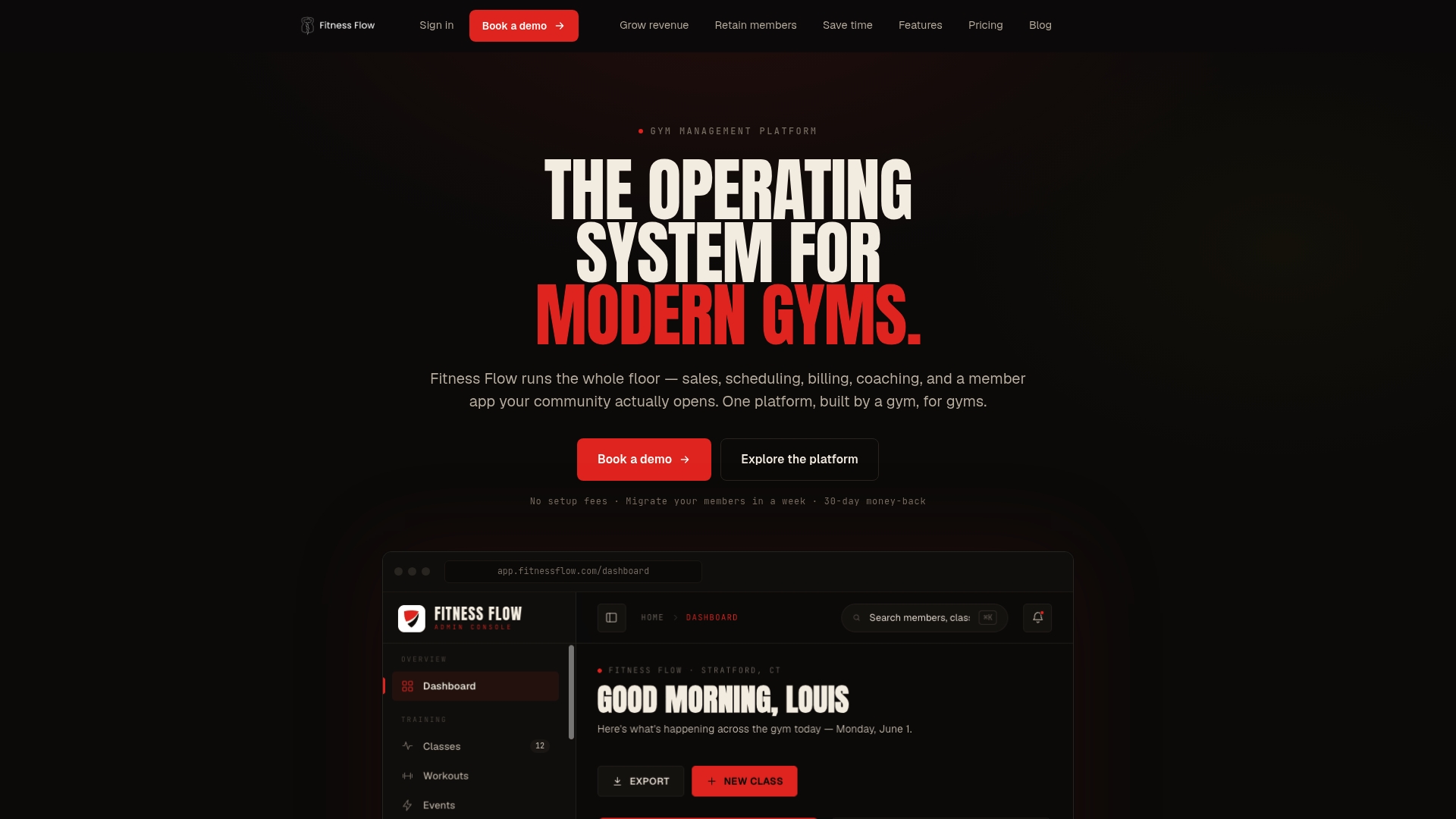
Before signing anything, ask for the same documentation this guide recommends: a Business Associate Agreement where applicable, a written data retention schedule, and a full integration list for wearables and payment systems. Running a short pilot with a subset of members is the fastest way to see whether the workflow fits your staff before rolling it out gym-wide. You can review plans and start a demo directly on the Fitness Flow site.
FAQ
What features should nutrition software for gyms include?
Look for meal-plan templates with adjustable macros, a food library, multiple delivery methods such as an app or PDF, and adherence tracking through check-ins and progress photos. Staff tools like bulk assignment and client notes matter as much as the member-facing features.
Does HIPAA apply to gym nutrition programs?
Standard gym nutrition coaching typically falls outside HIPAA, but industry guidance on member data privacy notes that expanding into allied-health services like clinical nutrition counseling can bring HIPAA considerations into play. Gyms offering only general wellness coaching should still confirm this with their software vendor as services expand.
Can gym trainers legally create meal plans for members?
Trainers can offer general wellness coaching, including habit-based guidance and template macro plans, but Medical Nutrition Therapy is reserved for registered dietitian nutritionists and Certified Nutrition Specialists under scope-of-practice guidance. Gyms should maintain a referral process for members with medical conditions rather than having staff manage those cases directly.
How much does gym nutrition software typically cost?
Pricing varies by platform and tier, but Capterra’s pricing report notes that basic nutrition features often appear in entry-level plans, with advanced tools in higher tiers. Fitness Flow’s own plans include Solo starting at a monthly rate and Studio at a higher monthly rate, with Multi-site pricing available on request through Fitness Flow.
What privacy protections should a nutrition app guarantee?
At minimum, a vendor should commit to breach notification, encryption, a clear data retention schedule, and no use of health data for ad targeting, consistent with FTC guidance on mobile health apps. Reviewing a weight-loss consumer bill of rights can also help gym owners understand the kind of consent and disclosure standards members should expect.